
Material testing serves as the backbone of ensuring the safety and longevity of bridges, making it a fundamental aspect of any construction project universal tensile testing machine. The meticulous examination of materials like concrete and steel is not merely a formality but rather a critical step in guaranteeing the structural soundness of these vital infrastructure elements. By delving into the intricacies of material properties, engineers can uncover potential weaknesses that might compromise the integrity of the bridge, highlighting the indispensable role that material testing plays in the construction industry.
Significance of Material Testing
Conducting material testing plays a crucial role in ensuring the structural integrity and safety of bridges during construction. By subjecting materials to various tests, engineers can assess their strength, durability, and other properties essential for bridge construction.
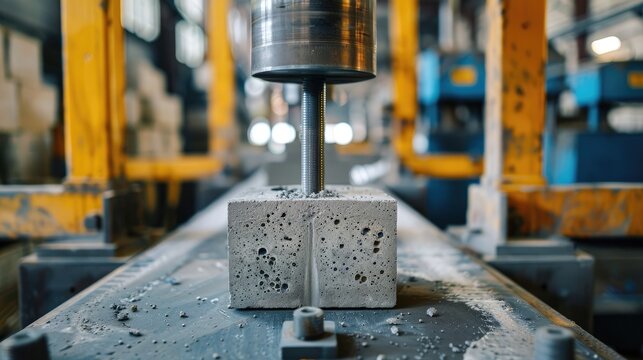
One key aspect of material testing is determining the tensile and compressive strength of materials like concrete, steel, and asphalt, which are commonly used in bridges universal materials testing machine. This information is vital for ensuring that the materials can withstand the loads and stresses experienced by bridges in operation.
Moreover, material testing helps identify any defects or inconsistencies in the materials before they are incorporated into the bridge structure. This proactive approach can prevent potential failures and hazards, ultimately enhancing the safety and longevity of the bridge.
Additionally, material testing allows engineers to optimize the design and construction process by selecting the most suitable materials for the specific requirements of the bridge. Through rigorous testing and analysis, engineers can make informed decisions that contribute to the overall quality and performance of the bridge structure.
Ensuring Safety and Durability
Ensuring the safety and durability of bridges is a critical aspect of construction that relies heavily on thorough material testing procedures. By subjecting materials to various tests, such as tensile strength, impact resistance, and fatigue analysis, engineers can assess the quality and performance of the components used in bridge construction.
Tensile strength tests help determine how much stress a material can withstand before breaking, ensuring that the bridge can support its intended load safely. Impact resistance tests assess how well a material can withstand sudden shocks or dynamic loads, which is crucial for ensuring the bridge’s ability to withstand unforeseen events like accidents or natural disasters.
Additionally, fatigue analysis tests simulate the long-term effects of cyclic loading on materials, ensuring that the bridge can maintain its structural integrity over time. By conducting these material tests rigorously and interpreting the results accurately, engineers can design bridges that are not only safe but also durable, providing long-lasting infrastructure for the community.
Assessing Strength and Flexibility
The assessment of strength and flexibility in bridge construction plays a crucial role in ensuring structural integrity and performance under varying loads. Strength assessment involves determining the maximum load a bridge can withstand without experiencing failure. This is typically done through a series of tests such as tension tests, compression tests, and bending tests on samples of the materials used in construction.
Flexibility assessment, on the other hand, evaluates the bridge’s ability to deform without breaking under imposed loads.
Bridge engineers use advanced tools like finite element analysis (FEA) to simulate different loading scenarios and assess how the structure responds. By understanding the strength and flexibility of bridge materials, engineers can make informed decisions on design modifications, material selection, and construction methods to enhance the overall safety and longevity of the bridge.
The data obtained from these assessments is crucial for optimizing the design to meet safety standards and ensure the bridge can withstand the demands placed upon it throughout its lifespan.
Importance in Bridge Design
Incorporating material testing results into the bridge design process is fundamental to ensuring structural reliability and performance. By utilizing data from material tests, engineers can make informed decisions regarding the selection of appropriate materials, design configurations, and construction methods for bridges. Material testing helps in determining the mechanical properties of materials such as strength, elasticity, and durability, which are crucial factors in designing a safe and efficient bridge structure.
Moreover, material testing aids in identifying potential weaknesses or defects in the materials, allowing for necessary adjustments to be made during the design phase to enhance the overall quality and longevity of the bridge. This proactive approach helps in mitigating risks associated with structural failures and ensures that the bridge meets the required safety standards and regulations.
Ultimately, integrating material testing into the bridge design process leads to the development of robust structures that can withstand various environmental and traffic conditions, providing long-lasting benefits to the infrastructure and the community it serves.
Contribution to Longevity and Reliability
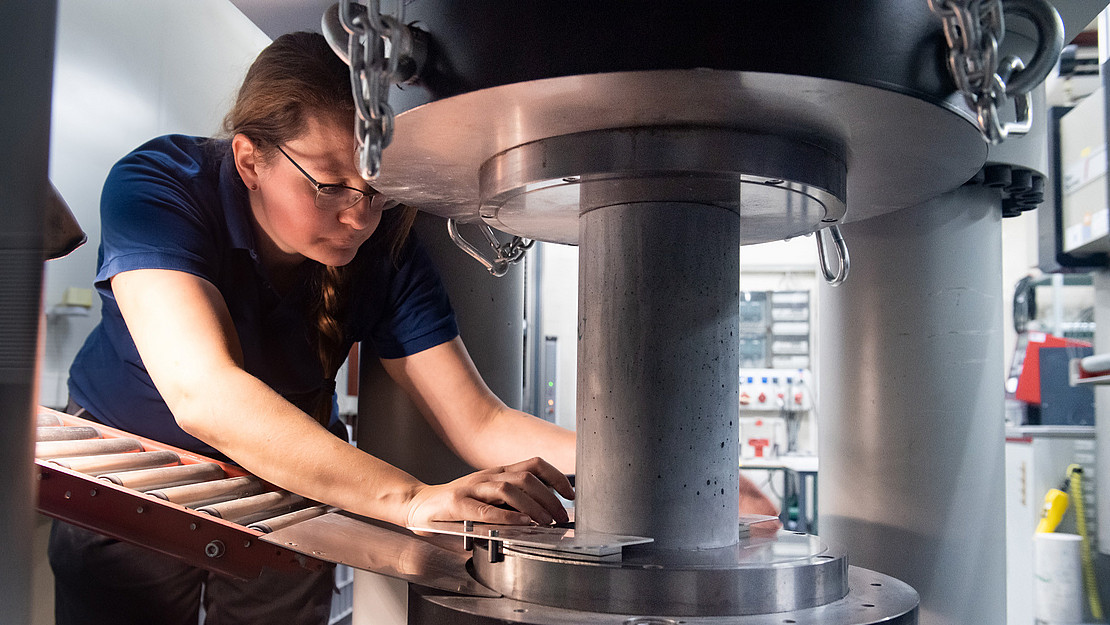
Material testing results play a crucial role in enhancing the longevity and reliability of bridge structures through precise evaluation of material properties. By subjecting construction materials to various tests like tensile strength, compressive strength, and durability assessments, engineers can ensure that only high-quality materials are used in bridge construction. This meticulous evaluation helps in selecting the most suitable materials that can withstand the environmental conditions and loads the bridge will experience over its lifespan.
Moreover, material testing aids in identifying potential weaknesses or defects in materials before they compromise the structural integrity of the bridge. By detecting these issues early on, necessary modifications can be made to enhance the overall reliability of the bridge. This proactive approach significantly reduces the risk of unexpected failures and ensures the safety of the bridge for years to come.
In essence, the contribution of material testing to the longevity and reliability of bridge structures cannot be overstated. It forms the foundation for durable, safe, and resilient bridges that serve their intended purpose effectively.
Conclusion
In conclusion, material testing plays a critical role in ensuring the safety, durability, and structural integrity of bridges.
By assessing properties such as strength, flexibility, and durability of materials like concrete and steel, potential defects can be identified early on, leading to informed decisions in material selection and design modifications.
This process ultimately contributes to the optimization of bridge design and construction, enhancing the quality, longevity, and reliability of bridge structures for long-term functionality.