
In Malaysia, e-invoicing is reshaping the landscape of financial transactions, offering a myriad of benefits for businesses. With the potential to streamline processes and enhance transparency e-invoicing malaysia, e-invoicing presents a compelling solution to modernize invoicing practices. The integration of cutting-edge technology ensures efficiency and security, paving the way for a more robust invoicing ecosystem. As businesses navigate the digital transformation journey, the discussion around Malaysia’s e-invoicing landscape opens up avenues for exploration into the future of financial operations and the evolving role of technology in shaping business practices.
Benefits of E-Invoicing in Malaysia
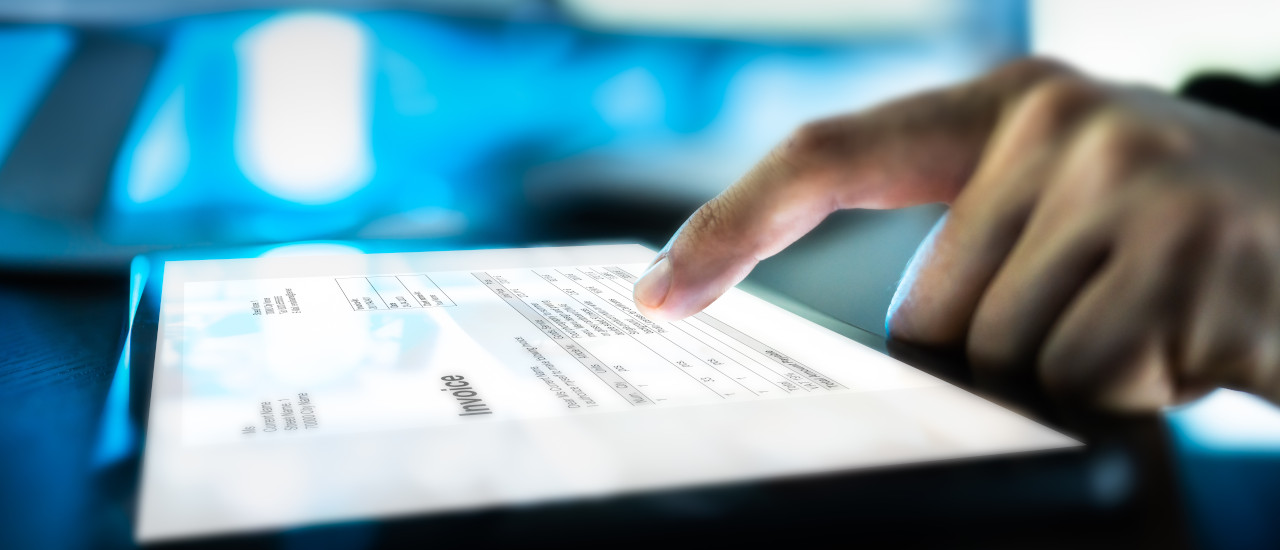
Implementing e-invoicing in Malaysia can significantly streamline the invoicing process for businesses, leading to increased efficiency and cost savings.
By transitioning to e-invoicing, you can say goodbye to manual data entry and time-consuming paperwork. Electronic invoices can be generated, sent, received, and processed digitally, eliminating the need for physical documents and reducing the risk of errors. This streamlined process not only saves time but also cuts down on operational costs associated with traditional invoicing methods.
Furthermore, e-invoicing in Malaysia promotes transparency and accountability in financial transactions. Electronic invoices leave a digital trail that can be easily tracked and audited, ensuring compliance with regulations and standards. This level of transparency enhances trust between business partners and reduces the likelihood of disputes or discrepancies in invoicing.
Embracing e-invoicing empowers you to take control of your invoicing processes, optimize your financial management, and focus on growing your business.
Implementation Process of E-Invoicing
To successfully implement e-invoicing in Malaysia, a structured and phased approach is essential for organizations looking to optimize their invoicing processes. The implementation process typically begins with assessing the current invoicing system to identify areas that can be improved through electronic invoicing. This evaluation phase is crucial as it sets the foundation for the transition to e-invoicing.
Once the assessment is complete, organizations can start by selecting a suitable e-invoicing solution that aligns with their business requirements. It’s important to choose a system that integrates seamlessly with existing processes to ensure a smooth transition. Training employees on the new system is also vital to ensure successful adoption and utilization.
After the system is in place, organizations can gradually onboard suppliers and customers onto the e-invoicing platform. This phased approach allows for a controlled implementation, minimizing disruptions to day-to-day operations. Continuous monitoring and evaluation of the e-invoicing process are essential to address any issues promptly and maximize the benefits of electronic invoicing.
Impact on Business Efficiency
Assessing the impact of e-invoicing on business efficiency reveals significant opportunities for streamlining operations and enhancing productivity within organizations in Malaysia. E-invoicing automates the invoicing process, reducing manual errors and saving time.
By digitizing invoices, businesses can accelerate the billing cycle, leading to quicker payments and improved cash flow management. The ease of tracking and monitoring invoices electronically enables better transparency and accountability in financial transactions.
Additionally, e-invoicing facilitates seamless communication between businesses and their clients, fostering stronger relationships and increasing customer satisfaction. Furthermore, the digital storage of invoices simplifies record-keeping and enhances accessibility for future reference or audits.
Cost Reduction Through E-Invoicing
By adopting e-invoicing, you can significantly improve the efficiency of your invoicing processes. This technology allows for the automation of tasks like invoice creation, distribution, and payment tracking, leading to streamlined payment processes.
Through e-invoicing, you can reduce manual errors, save time, and ultimately cut down on operational costs.
Efficiency in Invoicing
Implementing e-invoicing systems can significantly streamline the invoicing process, leading to cost reductions for businesses through increased efficiency. By digitizing and automating the invoicing workflow, manual errors are minimized, and processing time is reduced. This efficiency translates into savings on administrative costs, paper usage, and postage fees.
E-invoicing also enables businesses to track invoices in real-time, improving cash flow management and reducing late payments. Additionally, the streamlined process allows for quicker dispute resolutions and enhances overall transparency. Embracing e-invoicing not only cuts down on operational expenses but also fosters a more agile and responsive invoicing system, empowering businesses to allocate resources more strategically.

Streamlining Payment Processes
To streamline payment processes and achieve cost reductions through e-invoicing, businesses can leverage automated tools and digital platforms for efficient transaction management. By automating invoice generation, delivery, and processing, companies can significantly reduce manual errors, processing time, and costs associated with paper-based invoicing.
E-invoicing facilitates faster payment cycles, improves cash flow management, and enhances overall financial transparency. Additionally, electronic invoicing enables real-time tracking of payment statuses, allowing businesses to promptly follow up on outstanding payments and streamline reconciliation processes.
Security Features of E-Invoicing
Ensuring the robustness of e-invoicing systems involves incorporating multiple layers of encryption and authentication mechanisms to safeguard sensitive financial data from unauthorized access. Encryption plays a crucial role in securing e-invoices by converting data into a code that can only be deciphered with the correct decryption key. This process ensures that even if intercepted, the information remains protected.
Additionally, authentication mechanisms such as digital signatures validate the integrity and authenticity of the invoices, reducing the risk of tampering or fraud.
To enhance security further, robust user authentication protocols are implemented to control access to the e-invoicing system. Multi-factor authentication, including passwords, biometrics, or token-based authentication, adds an extra layer of defense against unauthorized entry. Regular security audits and updates are essential to identify and address vulnerabilities promptly, maintaining the overall security posture of the e-invoicing system.
Future Trends in E-Invoicing
As you explore the future trends in e-invoicing, consider the shift towards automation in invoicing processes.
Embracing technologies like blockchain integration can enhance transparency and security in transactions.
Keep an eye on how these advancements shape the landscape of invoicing practices in Malaysia and beyond.
Automation in Invoicing
Amidst the rapid advancements in technology, the automation of invoicing processes emerges as a pivotal trend shaping the future landscape of E-Invoicing in Malaysia. Automation streamlines invoicing tasks, reducing manual errors, saving time, and increasing efficiency.
Automated systems can generate invoices, send reminders for overdue payments, and even update accounting records seamlessly. By embracing automation, businesses in Malaysia can enhance their invoicing operations, leading to improved cash flow management and better customer relationships.
Additionally, automation allows for real-time tracking of invoices, enabling businesses to have a clear view of their financial status. As technology continues to evolve, integrating automation in invoicing processes will be crucial for businesses seeking to stay competitive and agile in the digital age.
Blockchain Integration
Integrating blockchain technology into E-Invoicing systems presents a transformative opportunity for enhancing security and transparency in financial transactions. Blockchain’s decentralized ledger system offers a secure way to record and verify transactions, reducing the risk of fraud and ensuring data integrity.
By incorporating blockchain into E-Invoicing, every transaction can be securely recorded, time-stamped, and made tamper-proof, providing a transparent and immutable audit trail. This integration also streamlines the verification process, eliminating the need for intermediaries and reducing transaction costs.
With blockchain technology, the future of E-Invoicing holds the promise of increased efficiency, trust, and security in financial transactions, paving the way for a more reliable and transparent invoicing ecosystem.
Conclusion
In conclusion, the adoption of e-invoicing in Malaysia offers a multitude of benefits to businesses, including:
- Streamlined processes
- Reduced costs
- Improved efficiency
- Enhanced security measures
The implementation process, coupled with the integration of advanced security features, ensures the authenticity and integrity of financial transactions.
As the future trend of blockchain integration in e-invoicing continues to evolve, Malaysia is poised to experience increased efficiency, trust, and transparency in its invoicing ecosystem.