
In the realm of pet care, understanding the nuances of common surgical procedures and the subsequent recovery process is paramount for responsible pet owners veterinary hospital.
From the routine spaying and neutering to more complex orthopedic surgeries and emergency interventions, this article delves into the fundamentals of various pet surgeries.
By shedding light on these procedures, pet owners can make informed decisions about their furry companions’ health and well-being, ultimately fostering a deeper understanding and appreciation for the intricacies of pet surgery and recovery.

Spaying and Neutering
The surgical procedures of spaying and neutering are vital components of responsible pet ownership. Spaying, the procedure for female animals https://starlight-vet.com/, involves the removal of the ovaries and uterus, preventing unwanted pregnancies and reducing the risk of certain cancers.
Neutering, performed on male animals, entails the removal of the testes, curbing aggressive behavior and diminishing the likelihood of roaming. Apart from population control, spaying and neutering offer numerous health benefits, such as lowering the risk of reproductive organ-related diseases.
Additionally, these procedures contribute to the overall well-being of pets by promoting longer, healthier lives. By opting for spaying and neutering, pet owners not only fulfill their duty to society but also ensure the freedom and safety of their beloved companions.
Dental Procedures
Dental procedures play a crucial role in maintaining the overall health and well-being of pets following spaying and neutering surgeries. Just like humans, pets can suffer from dental issues such as periodontal disease, tooth decay, and oral infections.
Regular dental check-ups, cleanings, and potential procedures like extractions are essential to prevent pain, infection, and potential organ damage due to bacteria in the mouth. Neglecting dental care can lead to more serious health problems in pets, affecting their quality of life.
Pet owners should be vigilant in monitoring their pet’s dental health and follow their veterinarian’s recommendations for dental procedures to ensure their furry companions lead happy and healthy lives.
Tumor Removals
Following dental procedures that are crucial for maintaining pets’ overall health, tumor removals are another common pet surgery procedure that may be necessary for the well-being of our furry companions.
Tumors in pets can be benign or malignant, and surgical removal is often recommended to prevent further growth, spread, or potential health complications. The surgical process involves excising the tumor and surrounding tissues to ensure complete removal and reduce the risk of recurrence.
Recovery from tumor removal surgery varies depending on the size and location of the tumor, but post-operative care, including pain management and monitoring for any signs of infection, is essential for a successful outcome. Consulting with a veterinarian is vital to determine the best treatment plan and ensure the pet’s comfort and recovery.
Orthopedic Surgeries
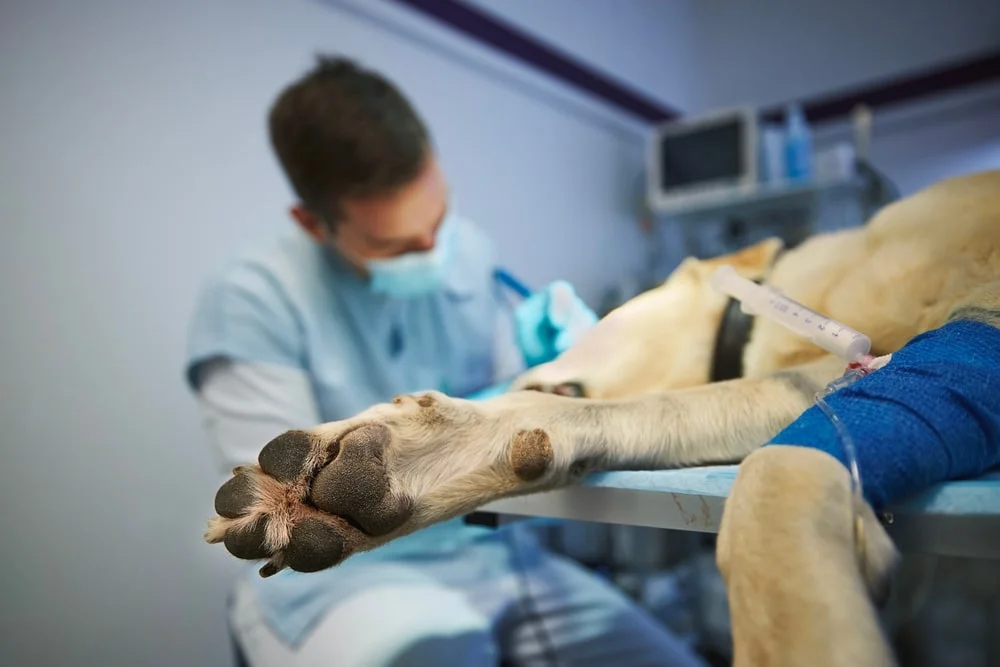
Orthopedic surgeries in pets aim to address musculoskeletal conditions and injuries through surgical interventions. These procedures are often necessary to repair fractures, correct joint abnormalities, or alleviate chronic orthopedic issues that impact the pet’s quality of life.
Some common orthopedic surgeries in pets include cruciate ligament repair, hip dysplasia correction, and bone fracture stabilization. Recovery from orthopedic surgeries may involve restricted activity, physical therapy, and pain management to ensure optimal healing and function.
It is essential for pet owners to follow post-operative care instructions diligently to support their pet’s recovery process. With advances in veterinary orthopedic surgery techniques and post-operative care, many pets can regain mobility and enjoy an improved quality of life following these procedures.
Emergency Surgery
Promptly responding to emergency situations, veterinarians may need to perform critical surgeries to save a pet’s life. Emergency surgeries in pets can include procedures such as trauma surgery to repair injuries from accidents, emergency gastrointestinal surgeries to address foreign body obstructions, or emergency cesarean sections for birthing complications. These surgeries are often unpredictable and require immediate action to ensure the best possible outcome for the pet.
Recovery from emergency surgeries can vary depending on the type of procedure performed and the overall health of the pet. It is essential for pet owners to follow post-operative care instructions diligently to support their pet’s recovery process. In emergency situations, quick decision-making and expert surgical skills are crucial in giving the pet a chance at a healthy future.
Conclusion
In conclusion, common pet surgery procedures such as spaying and neutering, dental procedures, tumor removals, orthopedic surgeries, and emergency surgery are important for the health and well-being of our furry companions.
It is crucial for pet owners to understand these procedures and the recovery process involved.
By being informed and prepared, pet owners can ensure a smooth and successful outcome for their beloved pets.